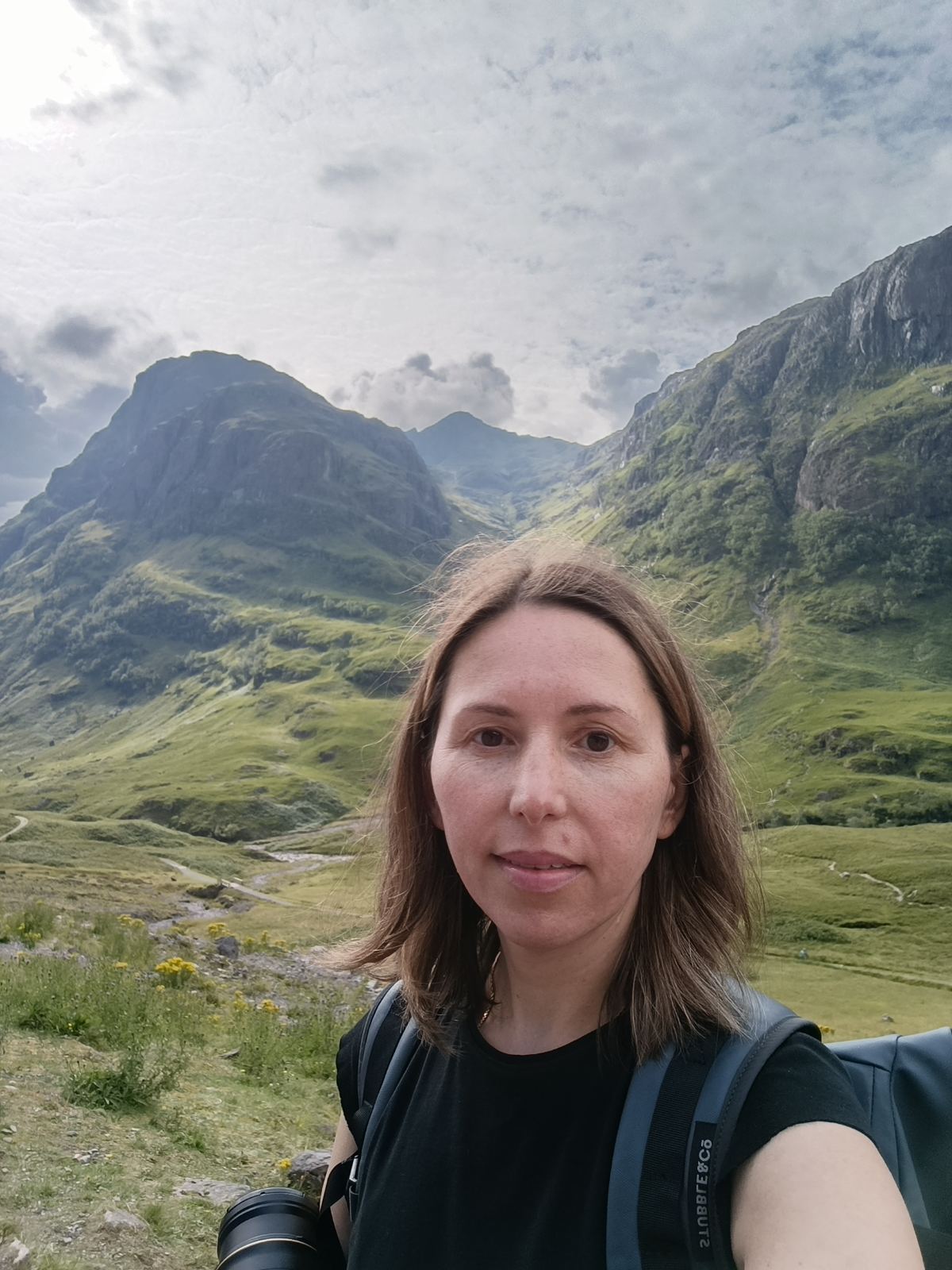
A Macro Photography Walk in Glasgow Botanic Gardens
One of the best things about macro photography is that you do not need to travel far to discover something fascinating. Sometimes an entire world of detail is hiding in the nearest park or garden.
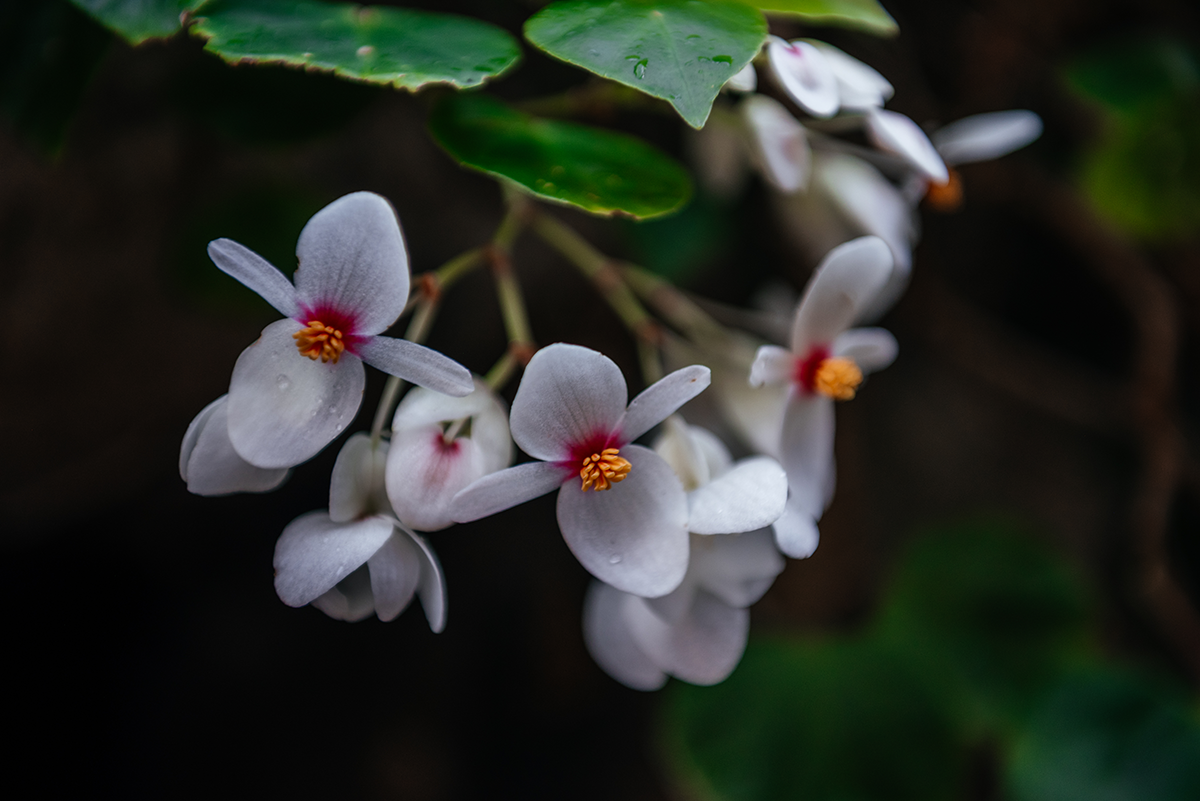
On a recent visit to Glasgow Botanic Gardens, I brought my camera and a simple accessory: the JJC close-up filter kit (check price). Instead of carrying expensive macro equipment, I attached the +4 close-up filter, which is one of my favourite strengths for photographing flowers and plants.
The goal of this walk was simple: see how far a budget macro filter could take me.
Why I Mostly Use the +4 Close-Up Filter
Close-up filters come in different strengths, usually measured in diopters: +2, +4, +8, +10, and so on.
During this session I used the +4 filter for most photos, because it strikes a really good balance:
- Strong enough to reveal fine details
- Still relatively easy to focus
- Better sharpness than stronger filters
- Comfortable working distance from the subject
With stronger filters like +8 or +10 you can get extremely close, but focusing becomes trickier and image quality can soften.
For flowers and small plant details, the +4 filter feels almost perfect.
Discovering Tiny Details in the Garden
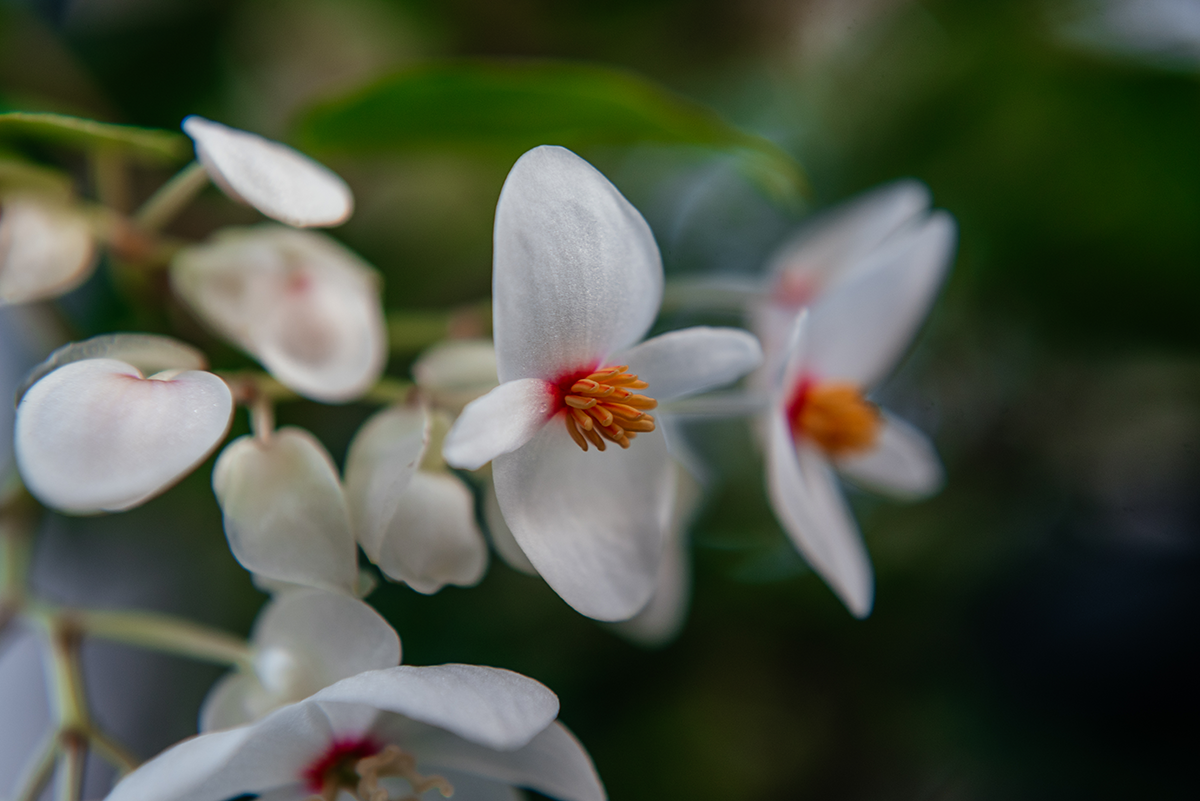
One of the joys of macro photography is that ordinary plants suddenly become visually dramatic.
Tiny droplets, delicate textures, and intricate shapes appear that you would normally walk right past.
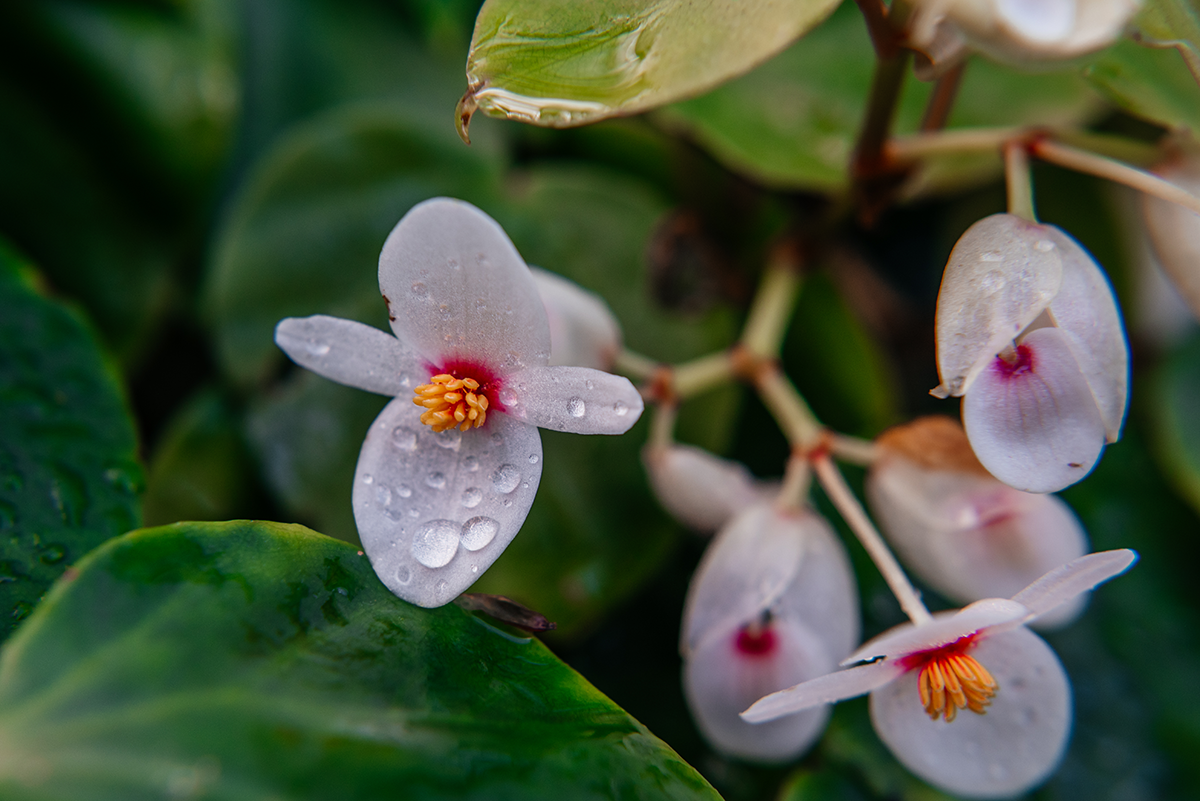
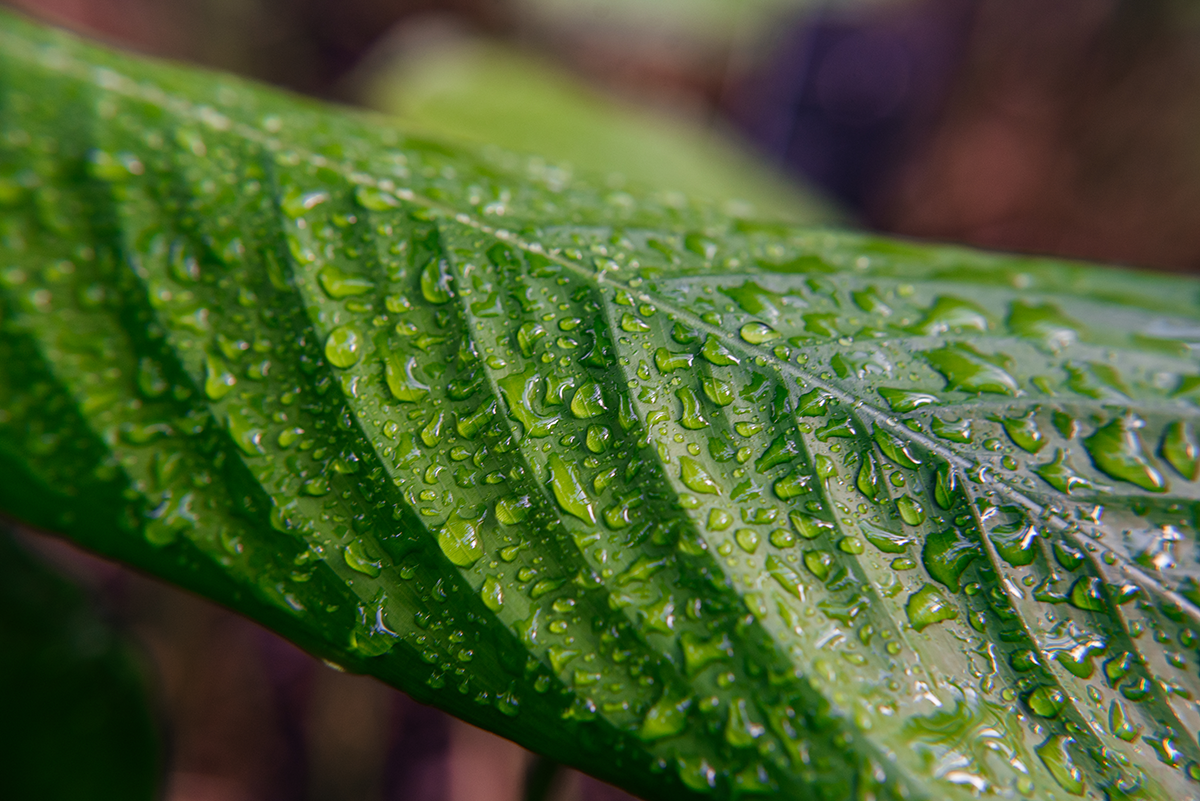
Even very small flowers become fascinating subjects when you move closer. The centre of a flower, pollen grains, and subtle colour transitions can fill the entire frame.
Leaves Can Be Beautiful Macro Subjects Too
Flowers are not the only things worth photographing in macro. Leaves often reveal unexpected patterns and textures.
In Glasgow Botanic Gardens I found several plants with beautifully patterned leaves that looked almost abstract when photographed up close.
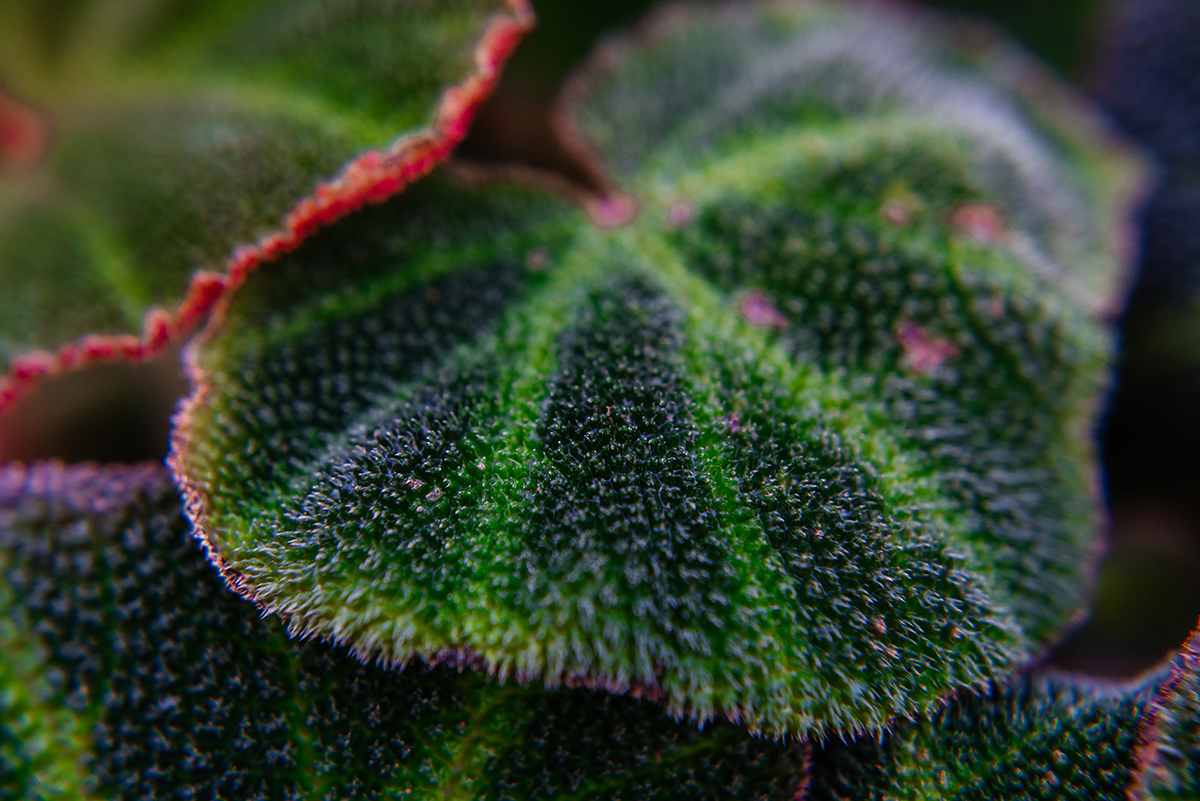
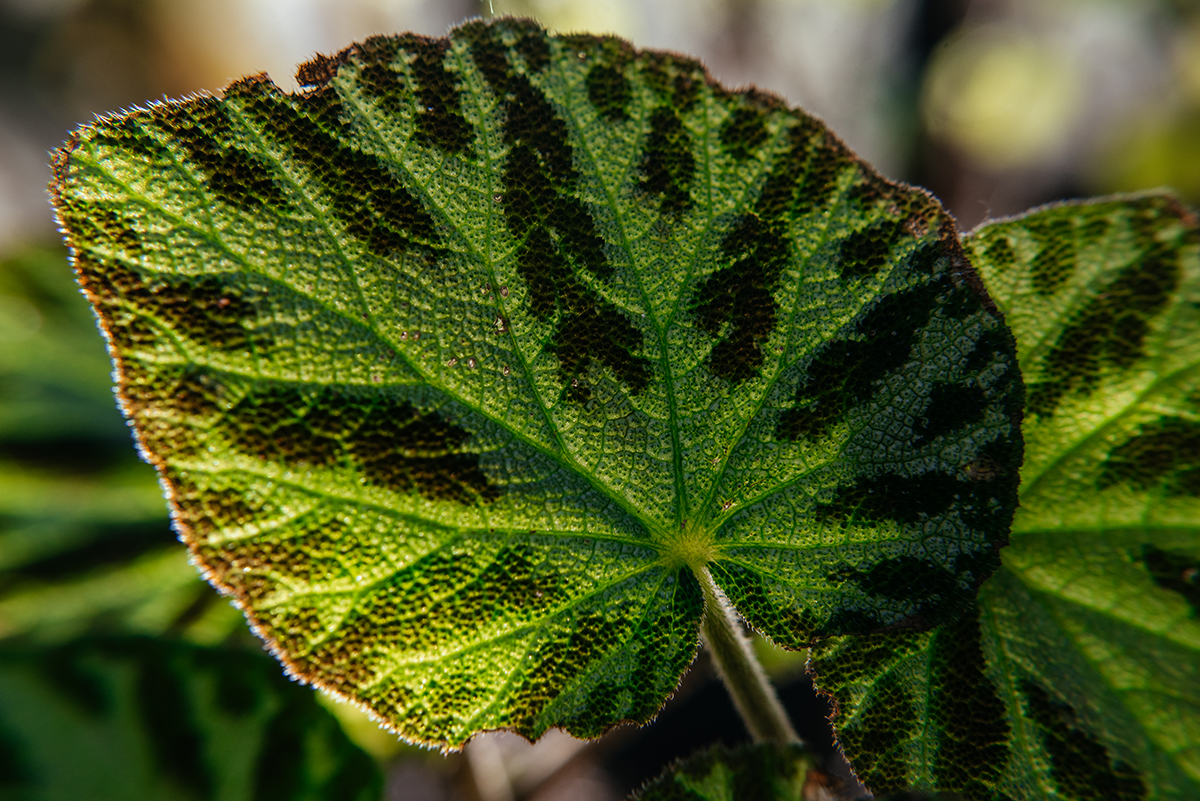
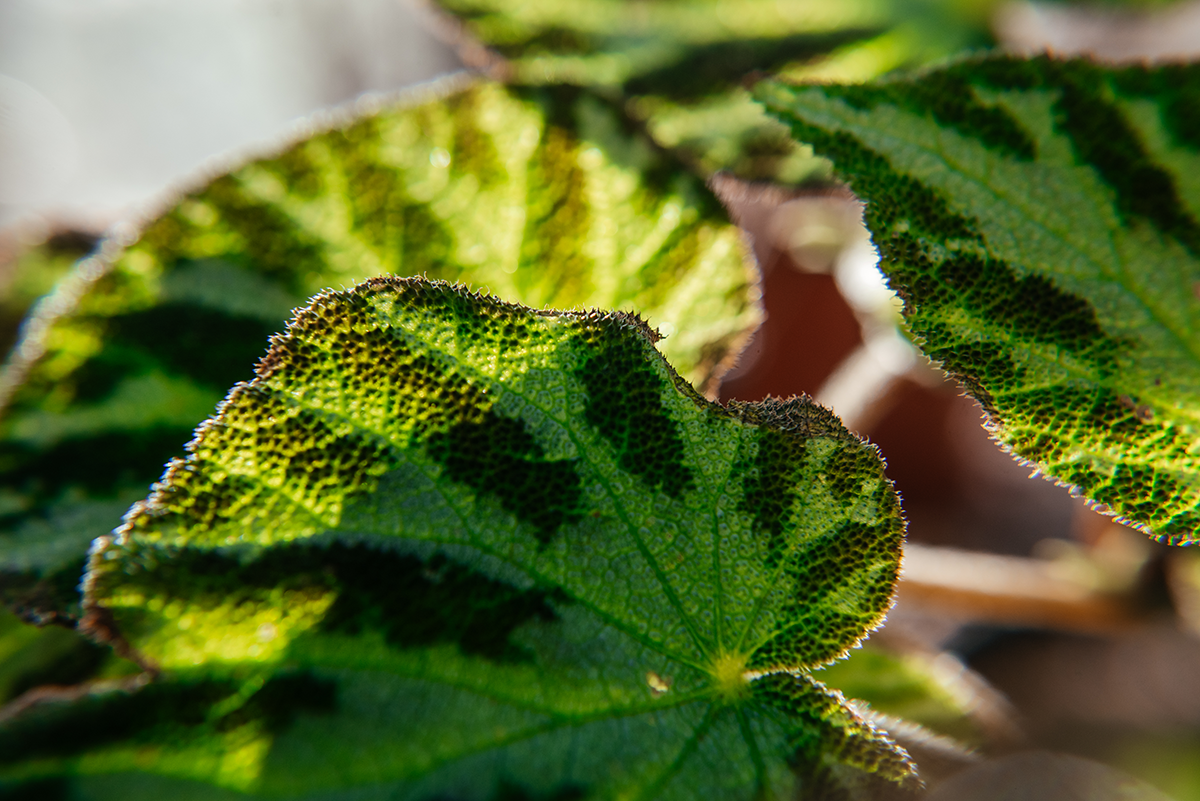
With the close-up filter attached, it becomes easy to focus on veins, textures, and natural geometry that would normally go unnoticed.
Colourful Details Hidden in Plain Sight
Another thing that surprised me during this walk was how many small colourful details were hiding among the foliage.
Bright berries and small plant structures became great macro subjects.
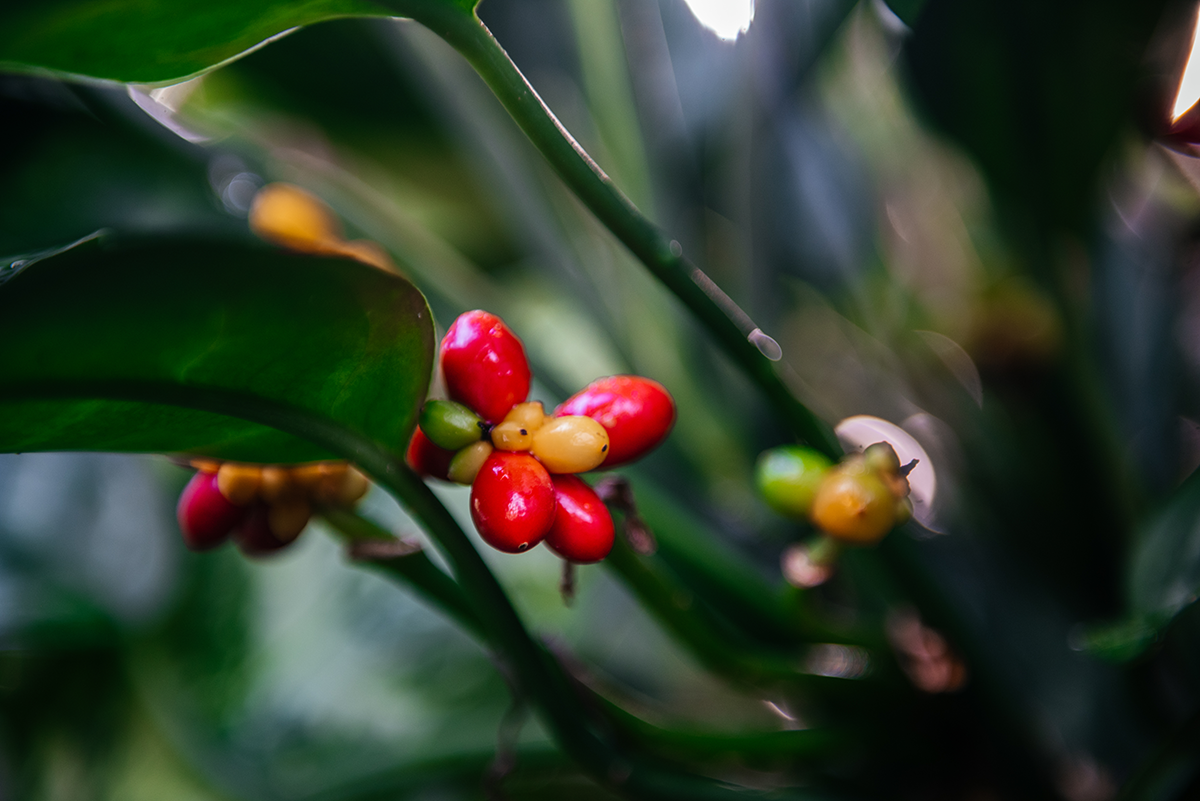
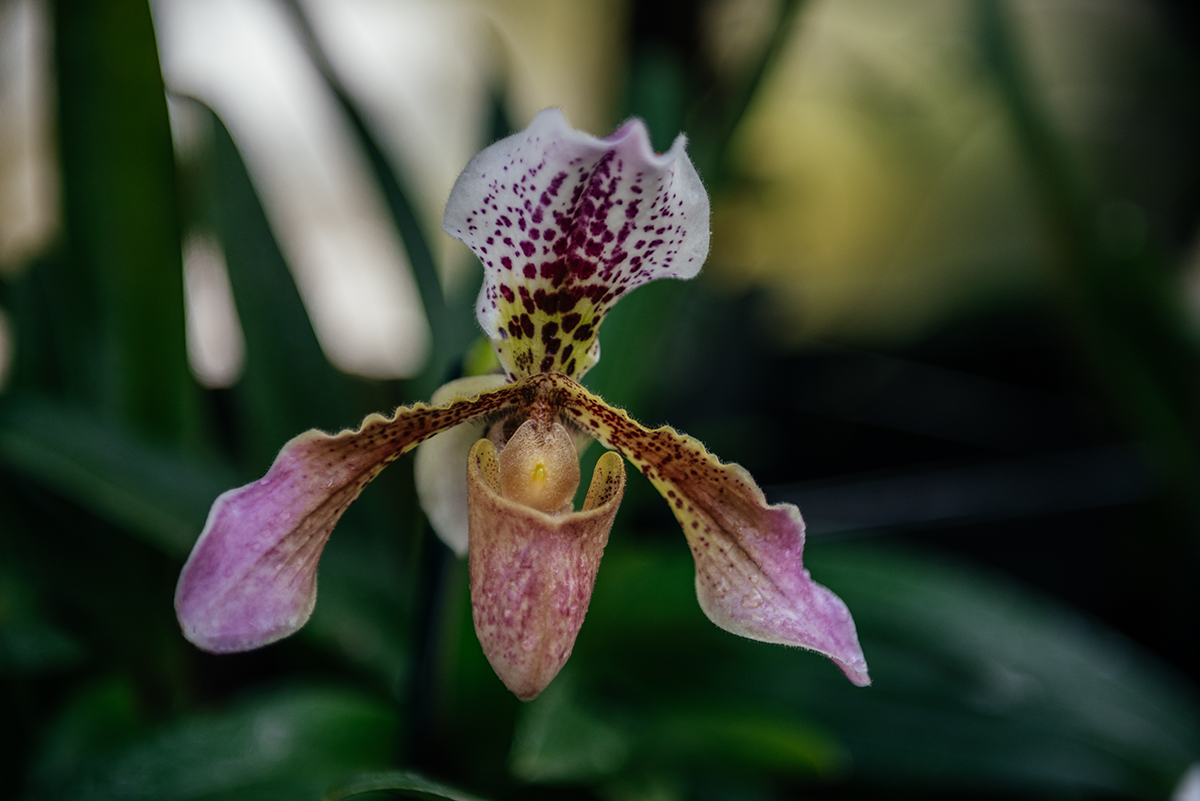
Because close-up filters allow you to focus much closer than normal, even very small subjects can dominate the frame.
Macro Photography Without Expensive Gear
A dedicated macro lens can cost hundreds of pounds, which often discourages beginners from trying macro photography.
But accessories like close-up filters offer a much cheaper way to explore this genre.
For this entire session I used my Nikkor 24–70mm f/2.8G lens with a +4 JJC close-up filter.
The photos were taken in natural light in the garden, and the results were surprisingly satisfying.
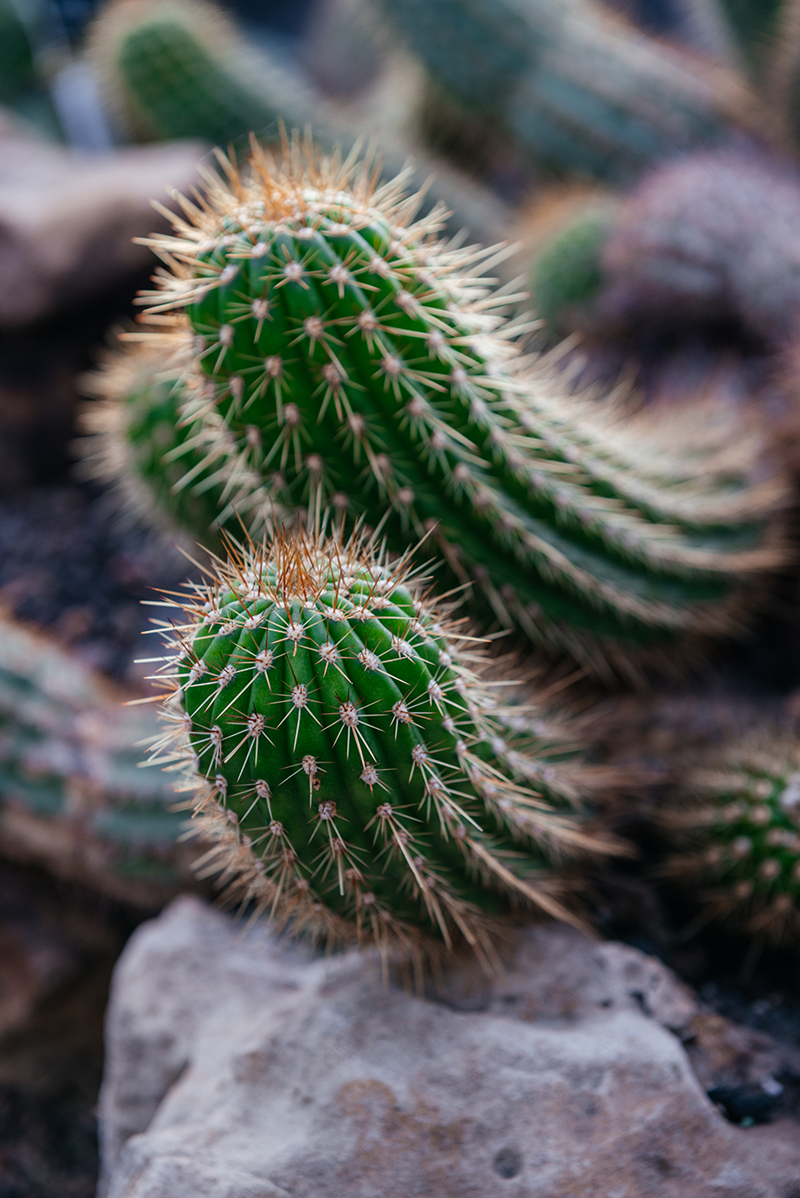
A small cactus photographed in macro with a budget close-up filter.
You will not get exactly the same optical quality as with a specialised macro lens, but for everyday photography and online sharing the difference is often much smaller than people expect.
Flowers That Look Completely Different Up Close
Some flowers look fairly ordinary from a distance, but when photographed up close they reveal incredible colour gradients and patterns.
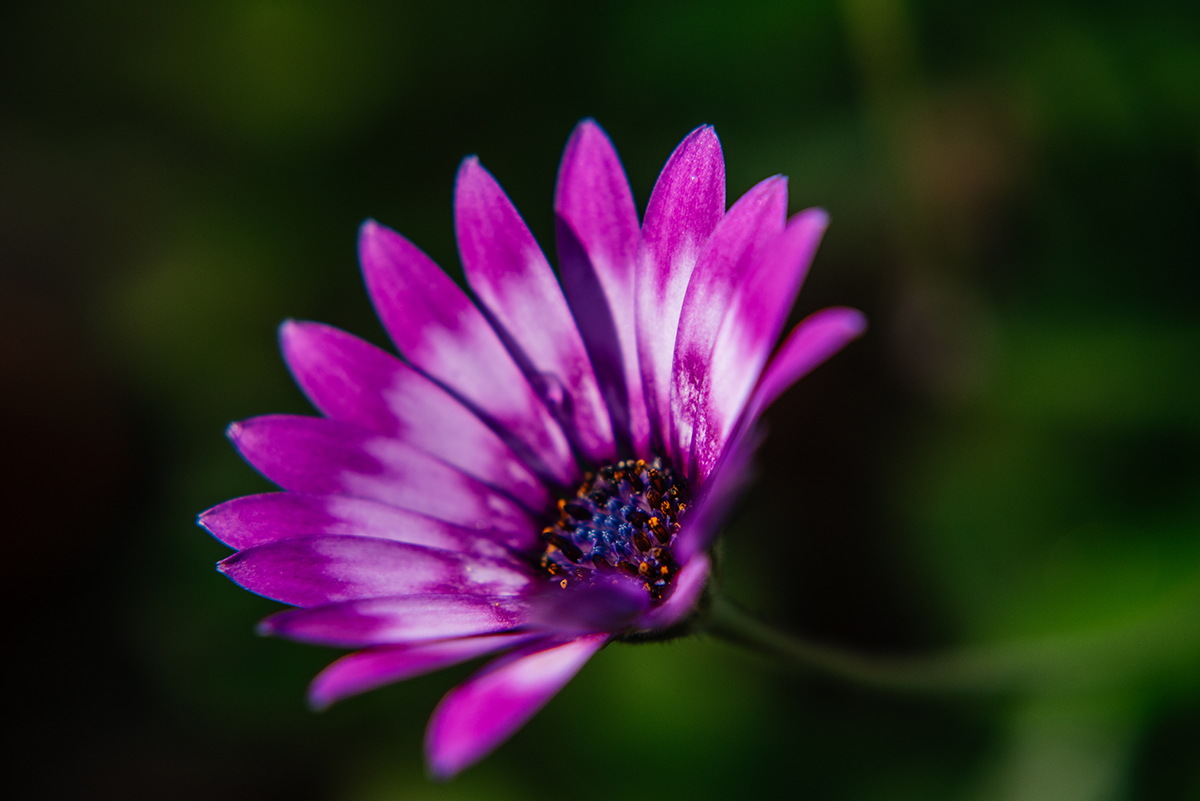
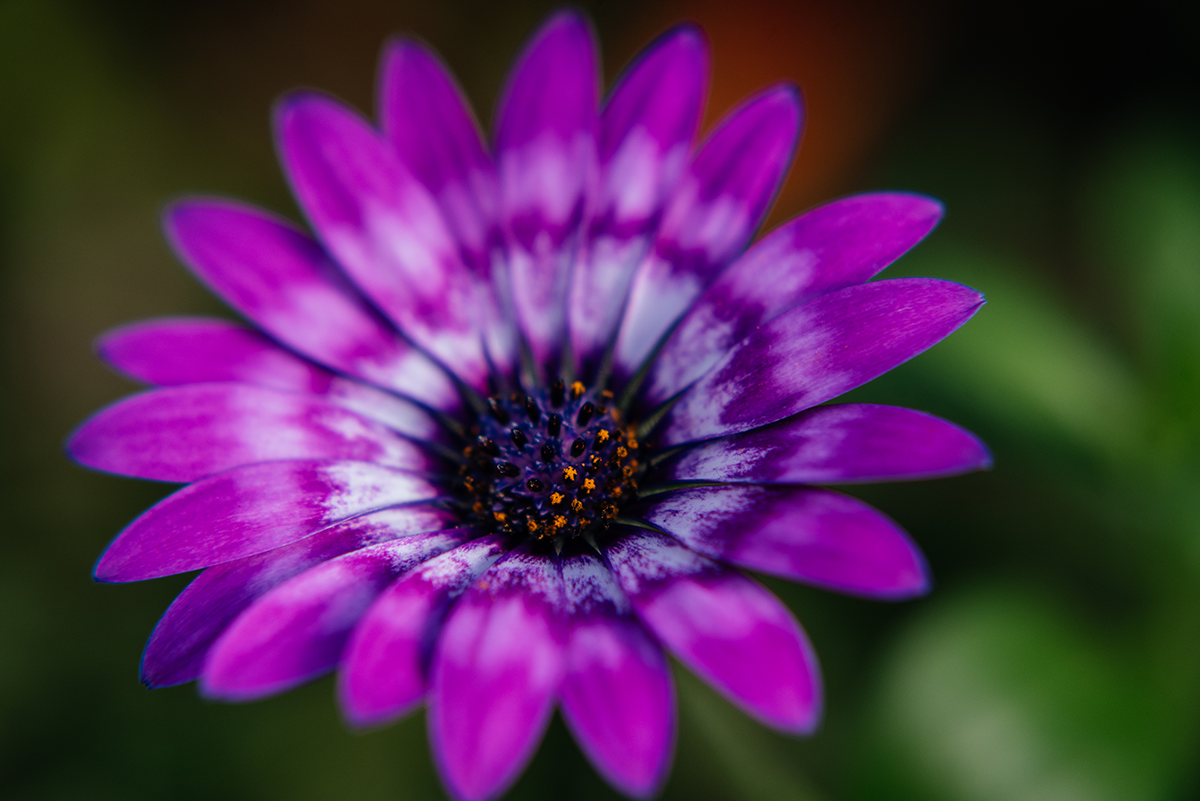
Macro photography transforms these details into the main subject of the image.
The shallow depth of field also helps isolate the flower from the background, creating a soft and pleasing blur.
Tips for Using Close-Up Filters
If you are thinking of trying close-up filters yourself, here are a few practical tips that helped me during this shoot:
1. Use longer focal lengths
Telephoto lenses often work better with close-up filters because they give more working distance.
2. Move your body instead of focusing too much
With close-up filters, it is often easier to gently move forward or backward to find focus.
3. Stop down slightly
Using apertures like f/8 or f/11 can improve sharpness and depth of field.
4. Look for good light
Soft natural light in gardens or parks works beautifully for macro subjects.
Are Budget Close-Up Filters Worth It?
After spending time photographing plants and flowers in Glasgow Botanic Gardens, my answer is simple:
Yes, absolutely.
Close-up filters like the JJC kit are:
- very affordable
- lightweight and easy to carry
- simple to use
- surprisingly capable
They will not completely replace a dedicated macro lens, but they open the door to macro photography for a tiny fraction of the price.
If you want a broader look at the kit itself, see my full JJC filter review. If you are comparing approaches, close-up filters vs extension tubes is a useful next read.
And sometimes that is all you need to start discovering the hidden beauty of the small world around you.